DKZ.2R teamed up with another data literacy center QUADRIGA, NFDIxCS, and NFDI4DS, to host a workshop on the topic of “Research Data and Research Software Competencies from the Perspective of Computer and Data Science” at the Themenwoche Digitale Kompetenzen in der Wissenschaft of the Volkswagenstiftung. Together with a diverse group of 35 participants from different data-literacy initiatives we will explore intersections between projects, present successful educational formats, identify gaps in current educational offerings, and collaboratively create new formats and an overall didactic framework. We are very much looking forward to this workshop week which will happen from the 2nd to 4th of December 2024 at the Xplanatorium in Hannover Herrenhausen. Find the agenda and more information about the workshop on this dedicated website
Related Posts

How To: Open Science

How To: Open Science

Tired of Recreating someone else’s work? - How Open Science can accelerate research and overcome reinvention

Have you ever found papers on algorithms but their implementation is missing? Found an interesting analysis but there is no way to check the results, as you don’t have access to the data they were derived from? Ever thought you had a great idea for a project, just to find out a year later that you are not the only research group following that specific idea? Not having access to other people’s code, data, metrics or even their plans for research projects often leads to unnecessary delays and scientific redundancies. There is an easy solution to overcome (almost) all of these issues. It’s called Open Science! What is Open Science? The UNESCO defines Open Science as a construct of “movements and practices aiming to make multilingual scientific knowledge openly available, accessible and reusable for everyone, to increase scientific collaborations and sharing of information for the benefits of science and society, and to open the processes of scientific knowledge creation, evaluation and communication to societal actors […]”. To ensure that everyone has access to scientific knowledge and infrastructure, Open Science focuses on four main concepts.

Read More
Documentation From User Experience

Documentation From User Experience

This post is a condensed version of a talk at our Data Compentcy College

If you regularly use scientific software written by others, or tried to replicate interesting research that relies on software, you have probably also invested weeks of work to solve a software problem or even given up on a software because of missing documentation. Finding a project that might be the solution to your problem and then failing to run the code is frustrating. Being unable to run a project you have built yourself years ago is even worse. Having experienced all those setbacks myself in the past I want to use this post to channel that frustration to fuel solutions for better documentation for our current and future projects.

Read More
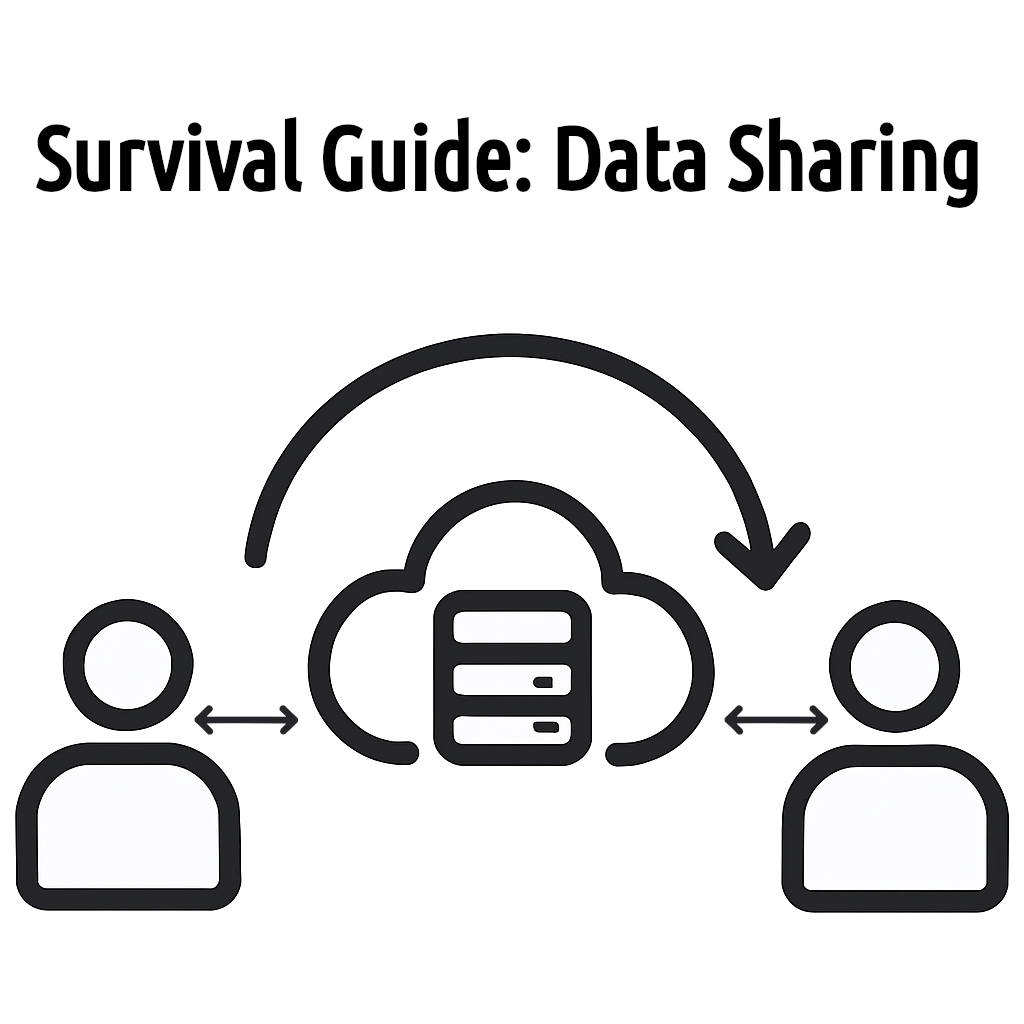
A Survival Guide to Research Data Sharing Services in the Rhine-Ruhr Region

A Survival Guide to Research Data Sharing Services in the Rhine-Ruhr Region

A Survival Guide to Research Data Sharing Services in the Rhine-Ruhr Region

There are a lot of reasons why collaborating with other researchers on scientific projects is great! It provides new perspectives and gives you the chance to benefit from other people’s knowledge and input. When it comes to sharing and exchanging data across multiple locations and devices however, researchers are often disoriented and don’t know which tools, cloud services and so on are safe to share data in a secure and ethical way.

Read More